
ARTS AND CULTURE
District 9 needs leadership that will defend our cultural institutions, expand access, and ensure that the communities who built them are able to live, work, and thrive here for generations.
South Central has a rich artistic and cultural heritage that continues to this day. Historic South Central was once known as the ”West Coast Harlem,” and Central Avenue, in particular, was a hub of Black cultural life, with the Dunbar Hotel hosting luminaries like Billie Holliday, Duke Ellington, and Ella Fitzgerald; a legacy that lives on in today’s annual Central Avenue Jazz Festival. This is just one example of how South Central’s landmarks, institutions, and traditions are a source of both pride and opportunity for its residents. These residents, black, brown and immigrant Angelenos alike, have been and continue to be the cornerstone of District 9’s thriving cultural spaces.
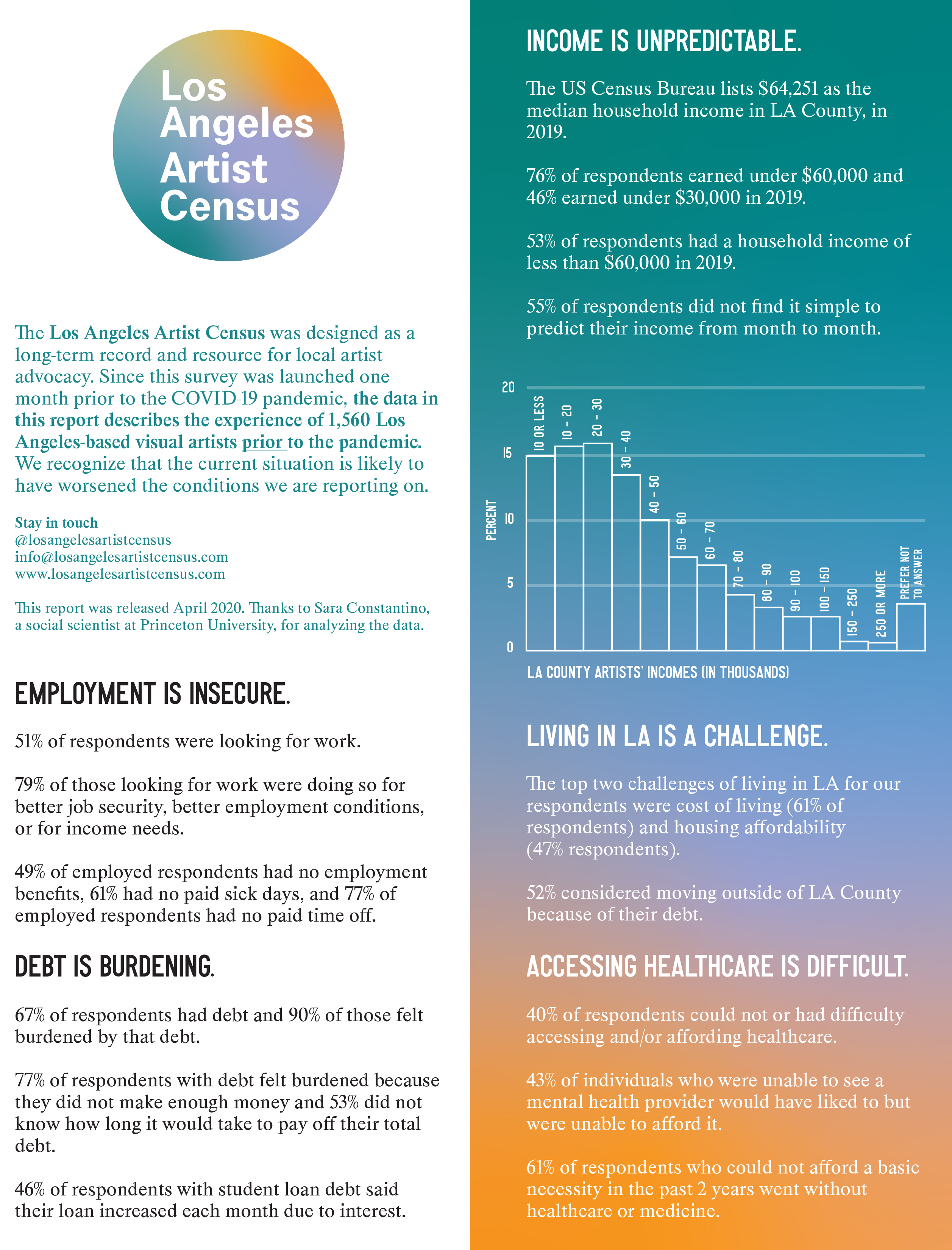
Los Angeles, however, has become an increasingly expensive city for many working people, including artists, to live in. In fact, the Los Angeles Artist Census, a survey of over 2,000 LA artists conducted in February and March of 2020, found that the top two challenges for artists living in LA were general affordability and housing costs. Meanwhile, the Los Angeles area has fallen in the Arts Vibrancy index. Last year, the Los Angeles area ranked twelfth in the index’s list of the top twenty most arts-vibrant large communities, but just five years earlier, in 2019, the LA area was ranked third. The arts in LA also receive much less government support, including state and federal grants and funding, than comparable cities. We must work to counteract this trend and improve LA’s affordability for artists and other residents.
Support the Artists Who Define LA
Artists are the heartbeat of Los Angeles, yet too many struggle to make ends meet in the very city their work helps define.
We need a city that values its creative workers not just in words, but in policy, one that ensures they can afford to live, work, and thrive here.
-
We need to help creative workers maintain stable lives and housing is one of the most critical parts of that. The City needs to build nearly 260,000 units of low and moderate income housing between 2021-2029, but so far the City has permitted just 12,244 units. As a result of the lack of affordable housing in the city, the average rent for a one-bedroom apartment in LA is now $2,177. Most artists cannot afford to make ends meet which is why I will advocate for expediting more affordable housing.
-
We need to look at options like housing cooperatives for artists, community land trusts, and social housing to provide stability. I will secure funding from ULA and investigate opportunities for state funding to do this.
-
Our city needs to create benefits that artists can take from job to job. One of the biggest challenges creative workers face is having access to benefits, like healthcare stipends and paid leave assistance, when they work infrequently. SAG-AFTRA participants under the age of 65 have to earn at least $25,950, including seasonal and residual earnings, during a 12-month base earnings period to qualify. In 2023, only 14% of its members made enough annually to qualify for SAG-AFTRA healthcare coverage. My office will push for the city to work with nonprofit partners, unions, and private employers to establish a portable benefits pilot program.
-
Creative workers, especially entry-level workers, artists of color, and women, often find themselves struggling to break into their field due to inequitable access to networks. I would develop district-based programming that hosts networking sessions with industry professionals and mixers at our cultural spaces to reduce the barrier to entry.
-
I will incentivize city-funded developments to include deed-restricted creative space, support community ownership models like land trusts, and utilize expedited permitting for projects that invest in permanent artist spaces, including galleries, studios, and other creative workspaces in the district.
Expand Access to Arts and Culture in Every Neighborhood
By breaking down barriers to participation and expanding pathways for engagement, we can build stronger communities and a deeper sense of belonging across South Central and all of Los Angeles.
-
I will work with local museums to expand free and low-cost outdoor programming that brings arts and culture directly into our neighborhoods, partnering with institutions like the Natural History Museum, the California Science Center, the GRAMMY Museum, and the soon-to-be-completed Lucas Museum. This helps remove cost barriers, supports local artists, and ensures that world-class cultural resources are shared more equitably in our community.
-
I will work with Neighborhood Councils to fund community-led beautification projects, including murals, streetscape improvements, and public art. I will also strengthen the City’s graffiti removal program to ensure hate-related graffiti is addressed quickly and replaced with community-driven art created by local artists.
-
Public space should be accessible, dynamic, and reflective of the communities it serves. I will build on past city efforts like the Public-Space Activation Fund and make it easier to host events and bring art into everyday spaces.
-
I will work with LAUSD to expand arts education in public schools and increase access to free afterschool programs that center cultural and artistic expression, ensuring students have consistent opportunities to explore creativity both during and after the school day.
Bring Film Production and Union Jobs Back Home
Film and television are part of Los Angeles’s DNA, yet productions continue to move elsewhere because it’s too costly and complicated to film here.
By cutting red tape, strengthening partnerships with unions, and revitalizing underused industrial spaces, we can bring production and good union jobs back to Los Angeles, especially to neighborhoods in South Central that have traditionally been unable to access these opportunities.
-
I am committed to building strong pipelines for union entry in South Central by creating local training hubs, offering safety certifications, and expanding hands-on pathways into careers with IATSE, the Teamsters, and other unions. This approach connects residents directly to good-paying, stable jobs in industries like film, logistics, and construction, while reducing barriers to entry for those historically excluded from these opportunities.
-
We can transform South Central’s industrial spaces into post-production facilities and workforce training centers, creating good-paying union jobs, including for Teamsters, and bringing opportunities closer to home for local residents. I will also champion adaptive reuse projects, building on models like Ace Mission Studios and Reframe Studios, to expand production infrastructure and deliver stable union jobs in the communities that need them most.
-
I support the creation of a centralized film office to serve as a single point of contact for permits, city services, and neighborhood approvals, making it easier for productions to navigate LA's bureaucracy.
As we explore creating this new office, we should also improve coordination between city departments and FilmLA. -
The City should expand targeted incentives such as fee waivers, expedited permitting, and streamlined approvals for productions that commit to hiring unionized crews and meeting strong labor standards.